St. Alphonsus Liguori: Life, Feast Day (August 1), Writings and Prayer
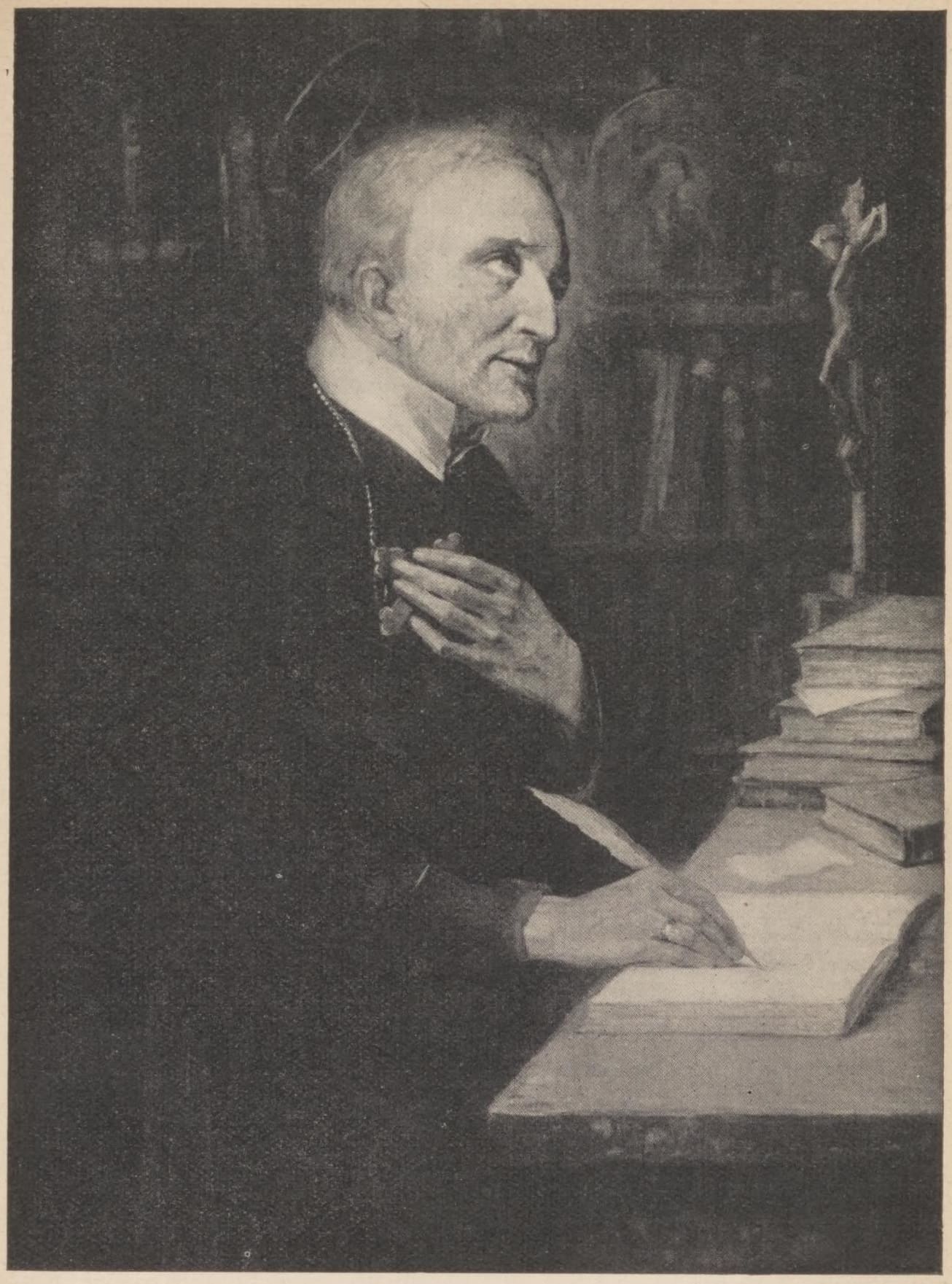
Quick answer
St. Alphonsus Liguori (1696–1787) was a successful lawyer in Naples who became a priest, founded the Redemptorists in 1732, served as a bishop, and wrote more than a hundred works on prayer and moral theology. He is a Doctor of the Church and the patron of confessors and moral theologians. His feast is August 1.
Key takeaways
- Alphonsus was born near Naples on September 27, 1696, and earned his doctorate in law at just sixteen.
- He left the legal profession after losing an important case in 1723, and was ordained a priest in 1726.
- In 1732 he founded the Congregation of the Most Holy Redeemer, known as the Redemptorists, to serve the neglected rural poor.
- His books include The Glories of Mary, Visits to the Blessed Sacrament and a very influential Moral Theology.
- Pope Gregory XVI canonized him in 1839, and Blessed Pius IX declared him a Doctor of the Church in 1871.
At twenty-six, Alphonsus Liguori was one of the most promising young lawyers in Naples. He had hardly ever lost a case. Then a single embarrassing mistake changed the course of his life, and of the Church’s moral teaching for centuries afterward.
The Young Lawyer of Naples
Alphonsus was born on September 27, 1696, at Marianella, near Naples. His father, Don Joseph de’ Liguori, was a naval officer who was stern and ambitious for his son. His mother was deeply devout.
He was a remarkably gifted child and received his doctorate in civil and canon law at just sixteen. He built a thriving law practice, and his father began looking for a suitable marriage for him.
In 1723 he argued an important property case and lost it because he had overlooked a key point in the documents. He was humiliated. “O world, I know you now,” he is reported to have said as he left the courtroom.
Not long after, while visiting the sick at the Hospital for Incurables, he heard an inner voice telling him to leave the world and give himself to God. He went to a church of Our Lady, laid his gentleman’s sword on her altar, and resolved to become a priest. His father was furious. Alphonsus held firm and was ordained in December 1726.
Priest of the Poor
As a young priest, Alphonsus turned to the poorest people of Naples: laborers, street vendors and others whom few thought to teach. He preached in plain language so that everyone could understand. Evening gatherings for prayer and instruction, called the Cappelle Serotine, spread across the city and lasted long after his death.
When he went to the mountains to rest, he discovered that country people were even more neglected. Many had almost no access to the sacraments or to instruction in the faith.
Founding the Redemptorists
On November 9, 1732, at Scala, Alphonsus founded the Congregation of the Most Holy Redeemer, known as the Redemptorists, to bring the Gospel to the most abandoned people in the countryside. The beginning was painful. Nearly all of his first companions left him. He persevered, and the congregation’s rule received papal approval in 1749. One of his most famous sons was a humble lay brother, St. Gerard Majella.
Teacher of Mercy
Alphonsus is above all remembered for his teaching on moral theology and the confessional. In his time, there was a harsh strain in moral teaching that frightened many people away from the sacraments. Alphonsus had seen the harm this caused. In his great Moral Theology, he worked out a careful path between laxity and severity.
His guiding idea was that the confessor must be a true father, a physician and a faithful judge (see CCC 1465-1466). Confession, he insisted, should be a place to meet the mercy of God.
His Devotional Writings
Alphonsus wrote more than a hundred works, many of them for ordinary people. Among the best known are:
- The Glories of Mary, a beloved commentary on the Hail, Holy Queen.
- Visits to the Most Blessed Sacrament, short prayers for time spent before the tabernacle.
- The Way of the Cross, the meditations on the Stations still used in many parishes.
- Preparation for Death, reflections on the last things.
- The Great Means of Salvation, on the necessity of prayer, with his famous conclusion that the one who prays is saved.
He also wrote music, including the Italian Christmas carol Tu scendi dalle stelle, which is still sung across Italy.
Bishop and Sufferer
In 1762, much against his wishes, he was made bishop of Sant’Agata dei Goti. He served for thirteen years, then resigned because of ill health.
His final years were a true share in the Cross. Severe rheumatism bent his neck so far that his chin pressed into his chest. Through a painful misunderstanding involving changes to his order’s rule, he was cut off for a time from the congregation he had founded. He bore it all patiently, and he died at Pagani on August 1, 1787, at the age of ninety.
He was canonized in 1839 and named a Doctor of the Church in 1871.
Act of Spiritual Communion (St. Alphonsus Liguori)
My Jesus, I believe that You are present in the Most Holy Sacrament. I love You above all things, and I desire to receive You into my soul. Since I cannot at this moment receive You sacramentally, come at least spiritually into my heart. I embrace You as if You were already there and unite myself wholly to You. Never permit me to be separated from You. Amen.
A Prayer to St. Alphonsus (Original Prayer)
St. Alphonsus, faithful teacher of God’s mercy, pray for all priests who hear confessions. Help those who are afraid to come back to God. Teach me to pray each day and never to give up. Amen.
Continue Reading
Pray through the 14 Stations of the Cross, learn how to go to confession, or read about another great reforming bishop, St. Charles Borromeo.
Frequently asked questions
When is the feast day of St. Alphonsus Liguori?
His memorial is August 1, the anniversary of his death in 1787.
What is St. Alphonsus the patron saint of?
Pope Pius XII named him patron of confessors and moral theologians in 1950. Many people with arthritis or chronic pain also ask his prayers, since he suffered severely in old age.
What is the Act of Spiritual Communion?
It is a prayer for those who cannot receive Holy Communion but long to be united with Jesus. The version printed on this page is the one traditionally credited to St. Alphonsus.
Did St. Alphonsus write the Stations of the Cross?
He wrote a much-loved set of meditations on the Stations, and they are still used in many parishes, especially during Lent. He did not invent the devotion itself, which is older.
Sources
- St. Alphonsus Liguori, The Glories of Mary; Visits to the Most Blessed Sacrament
- Catholic Encyclopedia (1907), St. Alphonsus Liguori
- Catechism of the Catholic Church 1465-1466