St. Gerard Majella: Life of the Mothers' Saint, Feast Day and Prayer
Quick answer
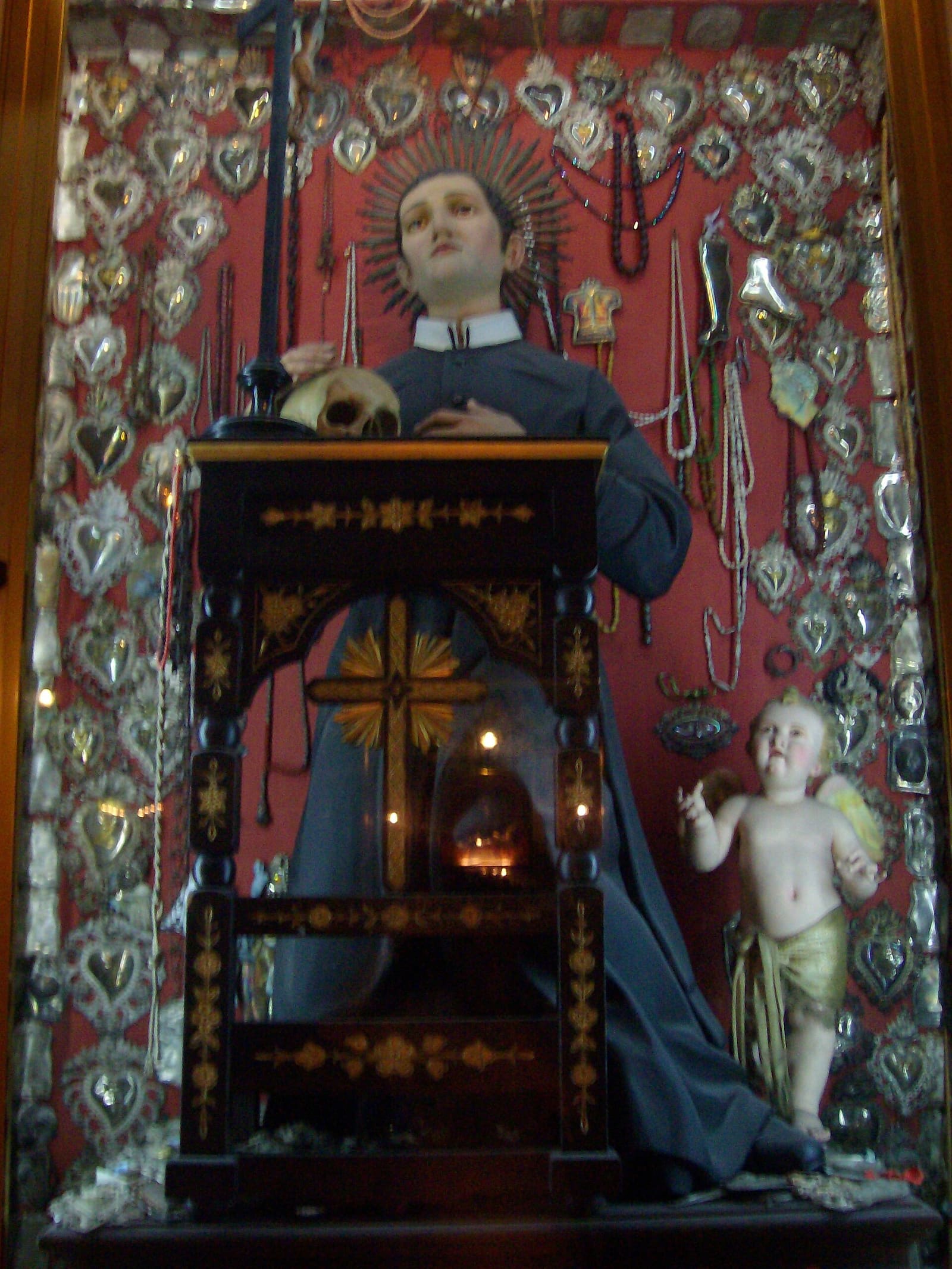
St. Gerard Majella (1726–1755) was an Italian tailor who became a Redemptorist lay brother and died of tuberculosis at the age of 29. Known for his patience, obedience and care for the poor, he is invoked as the Mothers' Saint by women hoping for a child, expecting a child or facing a difficult birth. His feast is October 16.
Key takeaways
- Gerard was born at Muro Lucano in southern Italy on April 6, 1726, and was apprenticed as a tailor after his father died.
- He was accepted by the Redemptorists in 1749 and professed as a lay brother in 1752.
- When falsely accused of serious sin, he remained silent before St. Alphonsus Liguori until his accuser retracted the charge.
- The story of a handkerchief he left behind, and which helped a woman in a dangerous labor, is the origin of his association with mothers.
- He died at Caposele on October 16, 1755, and Pope St. Pius X canonized him on December 11, 1904.
It seems surprising that the saint so many expectant mothers turn to should be a young, unmarried religious brother who died before he turned thirty. But St. Gerard Majella spent his short life caring for others, and he has been helping families ever since.
A Tailor’s Son from Muro
Gerard was born on April 6, 1726, at Muro Lucano, a small town in southern Italy. He was the youngest of five children in a poor family, and he was frail from birth.
He loved to pray in church from his earliest years. His early biographers tell tender stories from his childhood, including one about a “beautiful boy” who gave him bread at a chapel of Our Lady, and his family later came to believe that this boy was the Child Jesus. These accounts come from pious tradition.
When he was twelve, his father died and the family’s poverty deepened. Gerard was apprenticed to a tailor. The foreman treated him harshly and even beat him, and Gerard bore it without complaint. He later worked as a servant for the bishop of Lacedonia, a man with a notoriously bad temper. Afterward he set up his own small tailor’s shop and gave away much of what he earned to the poor and to the souls in Purgatory.
“A Useless Brother”
Gerard tried to join the Capuchins, but they turned him down because of his health. When Redemptorist missionaries came to Muro in 1749, he asked them to accept him. Their superior, Father Cafaro, also doubted he was strong enough, and advised his mother to lock him in his room to keep him from following them.
Gerard tied his bedsheets together, escaped through a window, and left a note for his mother saying that he was going to become a saint. He caught up with the missionaries and pleaded until they relented. Father Cafaro sent him on to the community at Deliceto with a note describing him as a useless brother.
He proved them wrong. Gerard worked as gardener, sacristan, tailor, porter and infirmarian, and he seemed to do the work of several men. He was professed in 1752. A sign on the door of his room is said to have read: “Here the will of God is done, as God wills, and for as long as God wills.”
Silent Under False Accusation
The great test of his life came in 1754. A young woman named Neria Caggiano accused him of a grave sin against chastity. St. Alphonsus Liguori, the founder of the congregation, called Gerard to account. Since the rule of the order did not permit him to defend himself against a superior in such a case, as he understood it, Gerard said nothing at all.
Alphonsus barred him from receiving Holy Communion, a terrible penance for a man who loved the Eucharist so deeply. Gerard accepted this in peace. In time, the young woman became seriously ill and confessed that she had invented the story. When Alphonsus asked Gerard why he had not defended himself, he answered simply that the rule forbade excuses.
Wonders and Works of Charity
Stories of remarkable events surrounded Gerard during his lifetime, including healings, knowledge of people’s consciences, and food that seemed to multiply for the hungry. More important than the marvels was his patient, tireless love. He comforted the sick, brought sinners back to God, and helped the poor.
The Handkerchief and the Mothers’ Saint
Shortly before his death, Gerard visited the Pirofalo family and left behind a handkerchief. When a daughter of the house ran after him with it, he told her to keep it, because it might be useful to her someday.
Years later, she was in danger of dying in childbirth. She remembered his words and asked for the handkerchief. Her labor ended safely. Word spread, and women in need started asking for his prayers. At his shrine, knots of ribbon have been left as thanks for safe deliveries.
Gerard died of tuberculosis at Caposele on October 16, 1755, at the age of 29. He was beatified by Leo XIII in 1893 and canonized by Pope St. Pius X in 1904.
A Prayer for Expectant Mothers (Original Prayer)
St. Gerard, friend of mothers and children, pray for this mother and the child within her. Ask the Lord, who knit each of us together in the womb, to keep them safe and give them peace. Calm every fear. May this child grow to know and love God. Amen.
A Prayer for Those Who Long for a Child (Original Prayer)
St. Gerard, you know the hidden sorrows of many homes. Pray for those who long for a child and for those who have lost a child. Comfort them with the love of Jesus and Mary, and help them trust in God’s tender care. Amen.
Continue Reading
See our longer page of prayers to St. Gerard and prayers for a healthy pregnancy, or read about the founder of his order, St. Alphonsus Liguori.
Frequently asked questions
When is the feast day of St. Gerard Majella?
October 16, the day of his death in 1755. His feast is kept especially by the Redemptorists and in places with a devotion to him.
Why is St. Gerard the patron of mothers?
Shortly before he died he left a handkerchief with a young woman of a family he knew, telling her that it might be useful one day. Years later she was in danger during childbirth, asked for the handkerchief, and was safely delivered. Since then, mothers have turned to him in great numbers. The title comes from popular devotion.
What does St. Gerard help with?
Catholics ask his prayers when hoping to conceive, during pregnancy and childbirth, after the loss of a child and for the safety of children.
Where is St. Gerard buried?
His tomb is at the Shrine of Materdomini in Caposele, Italy, in the care of the Redemptorists.
Sources
- Catholic Encyclopedia (1909), St. Gerard Majella
- Catholic Answers Encyclopedia, Gerard Majella, Saint
- Redemptorists of Canada, Life of St. Gerard Majella
- Psalm 139:13-14