San Francesco Saverio del Caravita: The Jesuit Oratory in the Heart of Rome
Quick answer
The Oratory of San Francesco Saverio, known as the Caravita after the Jesuit Pietro Gravita who founded its first confraternity, was built in the 1630s near the Jesuits' Roman College and the Church of Sant'Ignazio. It housed lay confraternities that cared for the sick, the poor and prisoners, including one of the first to admit women. Mozart is said to have played its organ. From 2000, under Jesuit Fr. Keith Pecklers, it became the home of an international English-speaking Catholic community known for good preaching, music and lay participation.
Key takeaways
- The Caravita oratory was built in the early 1630s near Sant'Ignazio in Rome.
- It is named after Fr. Pietro Gravita, SJ, who organized lay groups for works of charity.
- Its confraternities were forerunners of the Sodalities and today's Christian Life Communities.
- Mozart is said to have played its organ.
- From 2000 it hosted a Sunday Mass in English for an international community.
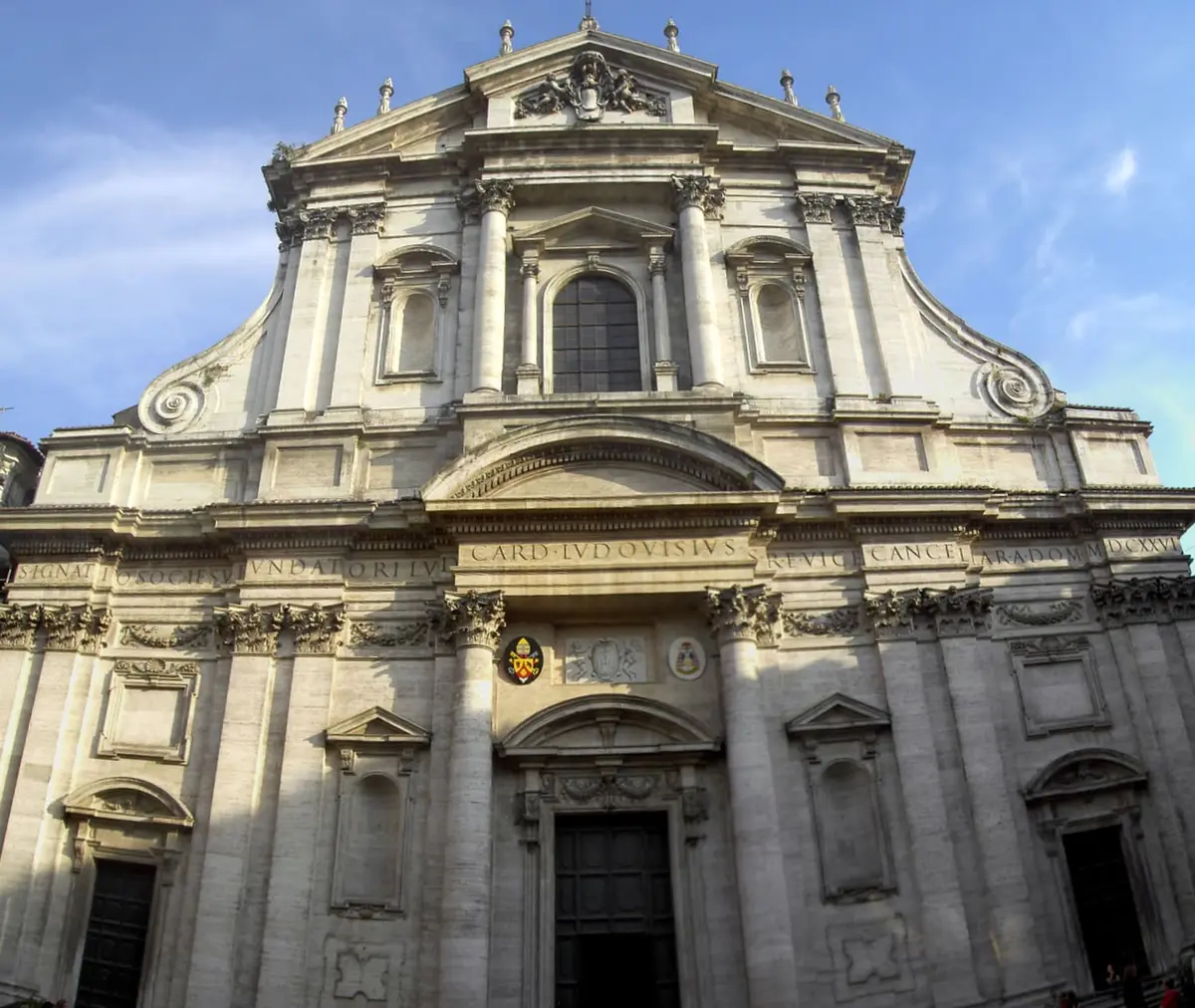
A few steps from the great Jesuit Church of Sant’Ignazio in Rome, tucked into a narrow street, stands a small baroque prayer hall with a long name: the Oratory of San Francesco Saverio del Caravita. As Company magazine put it, it may seem an odd place to find a model of parish life after Vatican II, yet for years it was exactly that.
Jesuits and the Laity of Rome
In the 17th century the Jesuits organized many confraternities, associations of lay men and women devoted to prayer and works of mercy: caring for the sick, visiting prisoners, helping the poor and teaching the catechism. These groups were the forerunners of the Marian Sodalities and today’s Christian Life Communities.
A Jesuit named Fr. Pietro Gravita founded one such group in Rome. Romans nicknamed it “Caravita,” and the name stuck to the oratory built for it.
The Oratory
The oratory was built in the early 1630s, near the Jesuits’ Roman College, to house nine different lay confraternities. According to Fr. Keith Pecklers, SJ, one of them was the first to admit women. It is dedicated to St. Francis Xavier, the great Jesuit missionary.
The richly decorated interior is a small jewel of Roman baroque. According to tradition, Mozart once played its organ.
An English-Speaking Home
In October 2000, Fr. Keith Pecklers, SJ, an American liturgist teaching at the Gregorian University, began celebrating a Sunday Mass in English at the Caravita. Journalists, diplomats, business people, professors and students from as many as twenty countries came to pray together. The community emphasized good preaching, excellent music and the full participation of the laity that Vatican II had called for.
The community also formed close ties with the nearby Anglican parish of All Saints, joining it for the blessing of palms on Palm Sunday before processing to their own churches. Arrangements at the oratory have changed over the years, so visitors should check current Mass times before going.
Visiting
The Caravita is easy to visit on a walk from the Pantheon to the Church of Sant’Ignazio, where St. Robert Bellarmine and St. Aloysius Gonzaga are buried. Nearby is the Church of the Gesù, with the tomb of St. Ignatius.
Prayer for Lay Apostles (Original Prayer)
Lord Jesus, You call every baptized person to share in Your mission. Bless all lay men and women who serve the poor, visit the sick and the imprisoned, and teach the faith. Make our parishes true homes of prayer and charity. Amen.
Continue Reading
Read about the Church of the Gesù, St. Robert Bellarmine, or Jesuit theater and music.
Frequently asked questions
Where is the Caravita oratory?
On Via del Caravita, a few steps from the Church of Sant'Ignazio and the Piazza di Pietra, between the Pantheon and Via del Corso in central Rome.
What is an oratory?
A place of prayer other than a parish church, often built for a religious community or confraternity. The Caravita is a baroque prayer hall built for lay associations of the Jesuits.
Sources
- Robert Mickens, "When in Rome," Company magazine (Spring 2009)
- Louis Châtellier, The Europe of the Devout, The Catholic Reformation and the Formation of a New Society (Cambridge, 1989)