Why Do Archangel Names End in "El"? The Meaning of El (God) Explained
Quick answer
Archangel names end in "el" because El is the Hebrew word for God. Each name is a short statement about God: Michael means "Who is like God?", Gabriel means "God is my strength," and Raphael means "God heals." Scripture names only these three angels, and the Church asks Catholics not to give angels any other names.
Key takeaways
- "El" is an ancient Hebrew word for God, so names ending in -el point to God, not to the angel.
- Michael means "Who is like God?", Gabriel means "God is my strength," and Raphael means "God heals."
- Only Michael, Gabriel and Raphael are named in the Bible; other angel names, such as Uriel, come from books outside Scripture.
- The Directory on Popular Piety (2001, no. 217) discourages naming angels other than these three.
- Many human names in the Bible end in -el too, such as Daniel, Samuel and Emmanuel, because the pattern is Hebrew, not angelic.
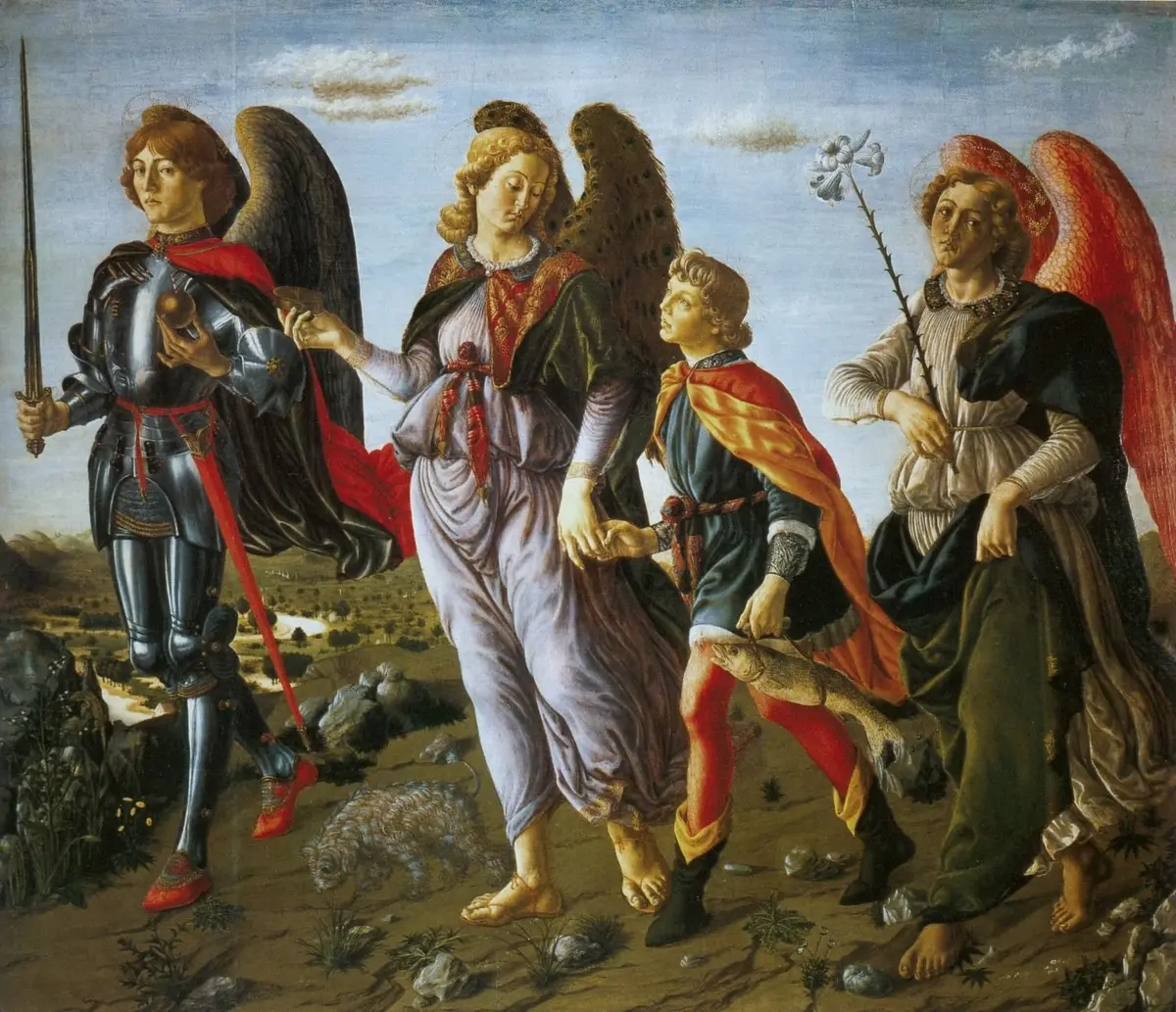
Archangel names end in “el” because El is the Hebrew word for God. Each name is really a short sentence about God: Michael means “Who is like God?”, Gabriel means “God is my strength,” and Raphael means “God heals.” The names do not glorify the angels; they point past them to the Lord they serve.
That is the whole answer in one line. Below we look at what “El” means in the Bible, what each archangel’s name tells us, why only three angels are named in Scripture, and why the Church is careful about other angel names you may find online.
What Does “El” Mean in the Bible?
El is one of the oldest words for God in the Hebrew language. It appears on its own in the Old Testament, in phrases such as El Shaddai (“God Almighty”) and El Elyon (“God Most High”), and in its plural form Elohim, the word used in the very first verse of Genesis: “In the beginning, when God created the heavens and the earth” (Genesis 1:1).
In Hebrew, it was common to build a name from a short phrase that includes a word for God. Adding -el at the end was one of the most familiar ways to do it. So when a name ends in “el,” you can usually read it as a little confession of faith.
The Meaning of the Three Archangel Names
| Name | Hebrew meaning | Where in Scripture |
|---|---|---|
| Michael | “Who is like God?” | Daniel 10:13, 12:1; Jude 9; Revelation 12:7 |
| Gabriel | “God is my strength” (also “strength of God”) | Daniel 8:16, 9:21; Luke 1:19, 26 |
| Raphael | “God heals” | Tobit 3:17, 12:15 |
Michael: “Who Is Like God?”
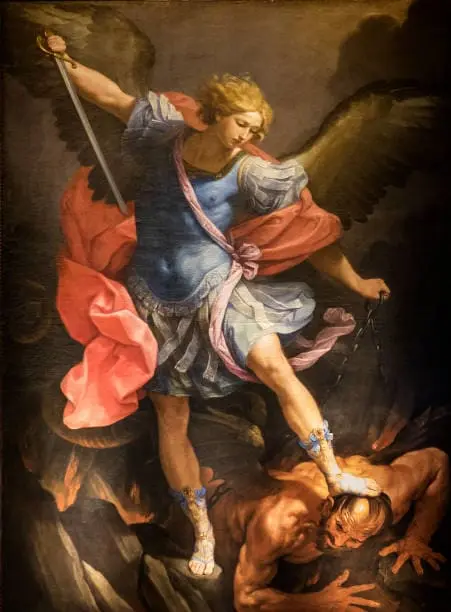
Michael’s name is a question with an obvious answer: no one is like God. Tradition hears in it the reply to the pride of the fallen angels, who wanted to be like God. In the Book of Revelation, “Michael and his angels battled against the dragon” (Revelation 12:7), and the Letter of Jude calls him “the archangel Michael” (Jude 9). Read more in the story of St. Michael the Archangel.
Gabriel: “God Is My Strength”
Gabriel is the messenger of the Incarnation. He explains Daniel’s visions, announces the birth of John the Baptist to Zechariah, and brings the Annunciation to Mary. To Zechariah he says, “I am Gabriel, who stand before God” (Luke 1:19). His name reminds us that God’s word is strong enough to do what it promises.
Raphael: “God Heals”
Raphael appears in the Book of Tobit, where he travels with young Tobiah, protects him, frees Sarah from a demon and restores the sight of old Tobit. Only at the end does he reveal who he is, one of the seven angels who stand before the Lord (Tobit 12:15). His name sums up his mission: it is God who heals. See the Book of Tobit for the full story.

Do All Angel Names End in “El”?
The honest answer is that we only know three angel names, and all three end in “el.” Scripture names Michael, Gabriel and Raphael, and no other angel.
You will find many more names online, such as Uriel, Raguel, Jophiel, Chamuel or Raziel. These do not come from the Bible. Uriel, for example, comes from the Book of Enoch and from 2 Esdras, writings that are not part of the Catholic canon of Scripture. Writers who invented or collected these names often copied the biblical pattern and added “-el” at the end, which is why so many sound alike. A similar sound does not make them revealed.
It also helps to know that the “-el” ending is not reserved for angels. Many people in the Bible carry it too:
- Daniel: “God is my judge”
- Samuel: usually explained as “heard by God” or “name of God”
- Ezekiel: “God strengthens”
- Israel: the name given to Jacob after he wrestled with God (Genesis 32:29)
- Emmanuel: “God is with us” (Isaiah 7:14; Matthew 1:23)
So the ending tells us the names are Hebrew and that they speak of God. It does not mark a special angelic rank.
Why the Church Uses Only Three Angel Names
The Church teaches clearly that angels exist. “The existence of the spiritual, non-corporeal beings that Sacred Scripture usually calls ‘angels’ is a truth of faith” (CCC 328). Quoting St. Augustine, the Catechism adds that “angel” is the name of their office, not of their nature: they are spirits, and they are called angels because they are sent as messengers (CCC 329). They are personal and immortal creatures who serve God and watch over us (CCC 330, 336).
What we know about individual angels, however, comes only from revelation. For that reason the Directory on Popular Piety and the Liturgy (2001) teaches that “the practice of assigning names to the Holy Angels should be discouraged, except in the cases of Gabriel, Raphael and Michael whose names are contained in Holy Scripture” (no. 217). This caution is old. A Roman synod under Pope Zachary in 745 condemned prayers that called on angels named Uriel and others not found in Scripture.
The reason is pastoral. Invented names easily lead to superstition, to “angel” systems borrowed from the New Age, or to prayers that treat angels as powers we can command for money or luck. Catholics honor angels as fellow servants of God, never as forces to control. To learn more, see the difference between angels and archangels and who the three archangels are.
How the Church Honors the Archangels
The liturgy celebrates the memory of certain angels (CCC 335). Michael, Gabriel and Raphael share one feast on September 29, and the Guardian Angels are remembered on October 2. You can ask the three archangels for their help with confidence, because their names and missions come from Scripture:
- Prayer to St. Michael the Archangel for protection in spiritual battle
- Prayer to the Archangel Gabriel for openness to God’s word
- Prayer to Archangel Raphael for healing and safe travel
Prayer to St. Michael the Archangel
St. Michael the Archangel,
defend us in battle.
Be our protection against the wickedness and snares of the devil.
May God rebuke him, we humbly pray,
and do thou, O Prince of the heavenly hosts,
by the power of God,
cast into hell Satan and all the evil spirits
who prowl about the world seeking the ruin of souls.
Amen.
Prayer to the Three Archangels (Original Prayer)
Lord God, there is no one like you.
You are our strength, and you are the One who heals.
Through St. Michael, defend us in every trial.
Through St. Gabriel, help us to hear and welcome your word.
Through St. Raphael, heal our wounds and guide our journeys.
May their names always lead us back to you,
through Christ our Lord.
Amen.
The Names Point to God
Every time you say Michael, Gabriel or Raphael, you are saying something about God: that no one is like Him, that He is our strength, and that He heals. That is the best way to understand why the archangels’ names end in “el.” The angels themselves would want it that way. Their whole joy is to point us to the Lord.
Frequently asked questions
Do all angel names end in el?
No. Only three angels are named in Scripture, Michael, Gabriel and Raphael, and all three end in -el because El means God in Hebrew. Other names that circulate online, many also ending in -el, come from non-biblical books such as 1 Enoch or from later speculation. The Church does not recognize them and discourages their use.
What does El mean in angel names?
El is one of the oldest Hebrew words for God, also found in the plural Elohim. In angel names it works like a signature that points to the Lord. Michael asks "Who is like God?", Gabriel says "God is my strength," and Raphael says "God heals." Each name describes what God does through that angel's mission.
Is Uriel an archangel in the Catholic Church?
The Catholic Church does not name Uriel as an archangel. The name comes from the Book of Enoch and from 2 Esdras, which are not part of the Catholic canon of Scripture. Only Michael, Gabriel and Raphael are named in the Bible and celebrated in the liturgy, on their shared feast of September 29.
Why does the Church discourage other angel names?
Angels are known to us only through what God has revealed. Inventing names, or taking them from non-biblical books, can lead to superstition or New Age practices that treat angels as forces to control. The Directory on Popular Piety and the Liturgy asks the faithful to use only the three names contained in Holy Scripture.
Does Lucifer end in el?
No. Lucifer is a Latin word meaning "light-bearer" or "morning star," taken from the Latin translation of Isaiah 14:12, and Christian tradition applied it to the fallen angel. Scripture mostly calls him Satan, a Hebrew word meaning "adversary," or the devil, from the Greek for "slanderer." Neither is a name built on El.
Sources
- Catechism of the Catholic Church, 328-336 (the angels)
- Luke 1:19, 26 (Gabriel)
- Tobit 12:15 (Raphael)
- Revelation 12:7 and Daniel 10:13, 12:1 (Michael)
- Congregation for Divine Worship, Directory on Popular Piety and the Liturgy (2001), no. 217