Emperor Constantine and Christianity: The Man Who Changed Church History
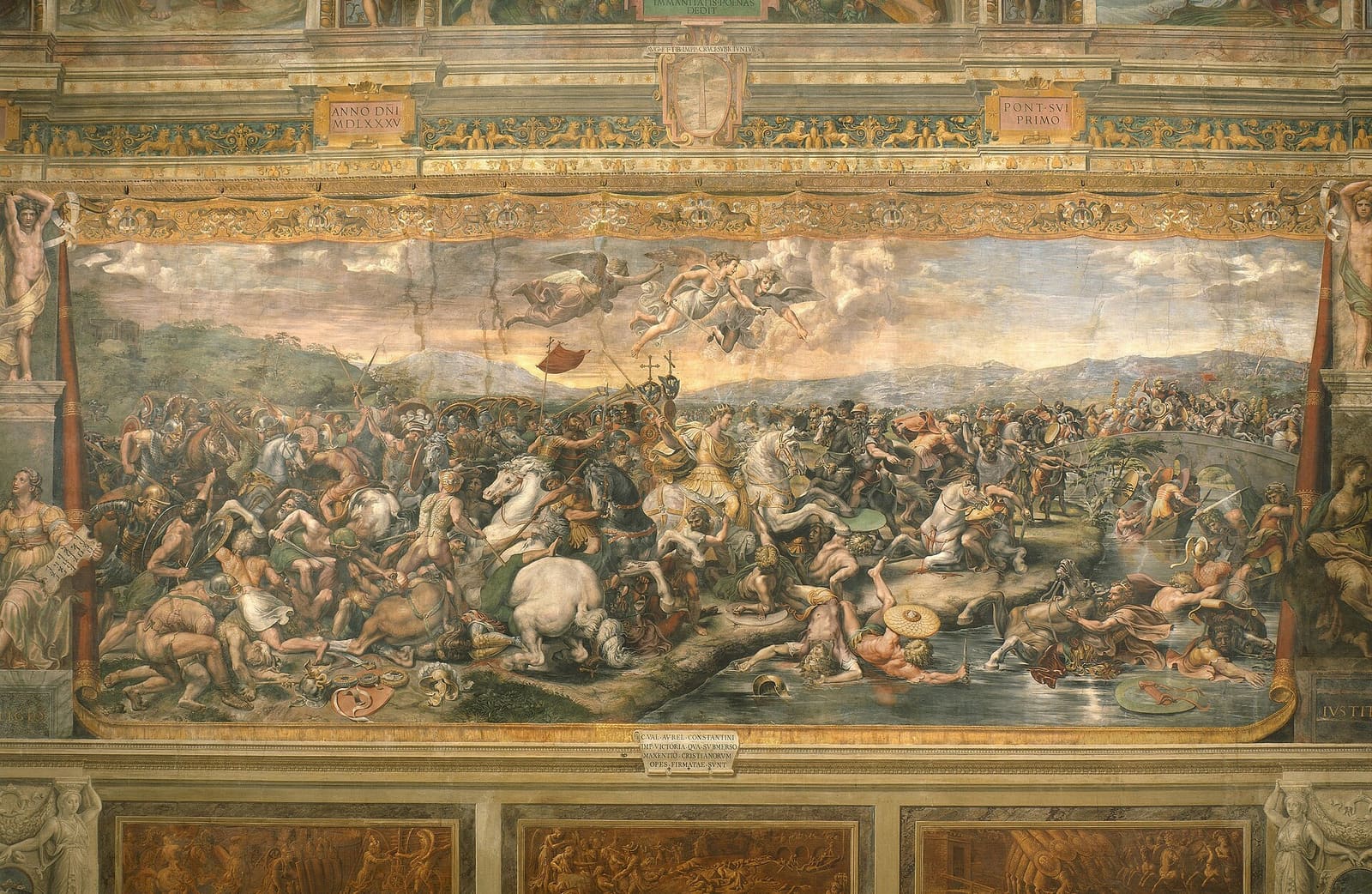
Quick answer
Constantine the Great (around 272–337) was the Roman emperor who ended the persecution of Christians and favored the Church. He won power after the Battle of the Milvian Bridge in 312, joined in the Edict of Milan in 313, and summoned the Council of Nicaea in 325. He was baptized shortly before he died.
Key takeaways
- Before the Battle of the Milvian Bridge in 312, Constantine is said to have received a sign directing him to fight under a Christian symbol.
- The Edict of Milan in 313 granted freedom of religion to Christians and others.
- He convened the Council of Nicaea in 325.
- He was baptized near the end of his life, and his record includes grave crimes.
In a single generation, Christianity went from being persecuted to being protected by the emperor. One man was the reason.
Rise to Power
Constantine was born around 272 at Naissus, in present-day Serbia, the son of a Roman officer, Constantius, and of Helena, a woman of humble origin. When his father died at York in 306, the troops there proclaimed him emperor. Years of civil war followed.
The Milvian Bridge
In 312, Constantine marched on Rome against his rival Maxentius. Christian writers of the time report that he was told, in a vision or a dream, to fight under a sign of Christ. Lactantius says his soldiers marked their shields with the sign, and Eusebius tells of a cross in the sky and the words “In this sign you will conquer.” Constantine won at the Milvian Bridge.
The Edict of Milan
In 313, Constantine and his fellow emperor Licinius agreed to grant freedom of worship to Christians and to all others, and to return confiscated Church property. After nearly three centuries of intermittent persecution, this was an extraordinary change.
Nicaea and the Churches
When a dispute over the teaching of the priest Arius divided the Church, Constantine summoned the bishops to Nicaea in 325. The Council professed that the Son of God is “consubstantial” with the Father (CCC 465). The Creed we say on Sundays is built on its work.
He also funded great churches, including the original St. Peter’s in Rome and the Church of the Holy Sepulchre in Jerusalem, where his mother St. Helena is remembered for seeking the True Cross. In 330 he dedicated a new capital, Constantinople.
A Mixed Record
Constantine was no plaster saint. In 326, he ordered the deaths of his son Crispus and his wife Fausta. He remained a political ruler and interfered in the Church’s affairs. He put off baptism until the end of his life, a common custom at the time, and he was baptized shortly before he died in May 337.
His partnership with the Church brought freedom. It also brought dangers, when faith and political power became too closely tied together, and these have been debated ever since.
A Prayer for Those Who Govern (Original Prayer)
Lord of history, You guide the nations. Give wisdom and justice to all who govern, protect the freedom of believers everywhere, and keep Your Church faithful to Christ alone. Amen.
Continue Reading
Read our guide to the popes and early Christian writings.
Frequently asked questions
Did Constantine make Christianity the official religion of Rome?
No. He legalized and favored Christianity. It became the official state religion under Theodosius I in 380.
Is Constantine a saint?
The Eastern Churches honor him as a saint, together with his mother, Helena, on May 21. He is not on the Roman calendar, but St. Helena is venerated in the West.
Did Constantine decide which books are in the Bible?
No. This is a popular myth. The Council of Nicaea dealt with the divinity of Christ and did not fix the canon of Scripture.
Sources
- Eusebius, Life of Constantine
- Lactantius, On the Deaths of the Persecutors
- Catechism of the Catholic Church 465
- Catholic Encyclopedia (1908), Constantine the Great