Nativity Schools: The Jesuit Middle Schools That Changed Lives
Quick answer
Nativity schools are small, tuition-free or low-cost Catholic middle schools for children from low-income families. The first was founded by Jesuits in 1971 at Nativity Mission on Manhattan's Lower East Side. The model features small classes, long school days, summer programs, close ties with families and years of support for graduates through high school and college. It spread to dozens of cities, including Boston, Baltimore, Milwaukee, Omaha, St. Louis, New Orleans, San Jose and Portland, and inspired the wider NativityMiguel network.
Key takeaways
- The first Nativity school opened in 1971 on Manhattan's Lower East Side.
- Classes are small and school days, weeks and years are longer than usual.
- Schools follow graduates through high school and into college.
- Funding comes mainly from donors, so families pay little or nothing.
- Dozens of schools, Jesuit and not, have adopted the model.
In 1971, a few Jesuits at Nativity Mission on Manhattan’s Lower East Side noticed that bright boys from poor Latino families were slipping through the cracks of the city’s schools. They decided to try something new: a tiny junior high with long days, demanding teachers and adults who would not give up on any child. That experiment became the Nativity school model, one of the most hopeful stories in American Catholic education.
How the Model Works
The idea is simple. As Company magazine summed it up in 2001: keep classes small, give students plenty of personal attention, make school days long and highly structured, and help students dream of success in high school and college. “Then stand back and watch them respond.”
Most Nativity schools share these features:
- Small classes, often 12 to 18 students.
- Long days and a long year: school runs into the evening with study hall, sports and the arts, plus a summer camp or summer session.
- Middle-school focus, grades 5 or 6 through 8, the years when many poor children fall behind or drop out.
- Families as partners: parents sign agreements and stay involved.
- Graduate support: staff help graduates get into strong high schools and keep mentoring them through college.
- Little or no tuition, paid instead by donors and volunteers, including young teachers in service programs.
- Faith formation, prayer and service in the Ignatian tradition, open to children of every background.
Coast to Coast
Over the years, Nativity schools opened in Harlem, Boston, Baltimore, Milwaukee, Detroit, Omaha and beyond. By 2001 Company reported four new Jesuit-sponsored schools, each with its own twist:
- Loyola Academy in St. Louis, opened in 1999, borrowed soccer’s red and yellow cards for discipline: break a rule and you lose a card; lose three and you get detention.
- Good Shepherd School in New Orleans, dreamed up by Fr. Harry Tompson, SJ, in an old furniture warehouse near his parish, opened after his death in 2001 and was run by dedicated lay people. Fr. Tompson also inspired Café Reconcile.
- New schools in San Jose and Portland, Oregon, completed the coast-to-coast map.
Many non-Jesuit Catholic schools and even secular schools adopted the model. In 2006 the Nativity network joined with the Lasallian San Miguel schools to form the NativityMiguel Network.
Why It Matters
The Church has always seen education of the poor as a work of mercy. The Vatican’s document The Catholic School (1977) says Catholic schools must offer their service “first and foremost to those who are poor in the goods of this world” (no. 58). Studies of Nativity graduates found that far more finished high school and went to college than their neighbors.
Jesuit education, from its beginning in Messina in 1548, was offered free of charge. Nativity schools return to that ideal.
Prayer for Children and Their Teachers (Original Prayer)
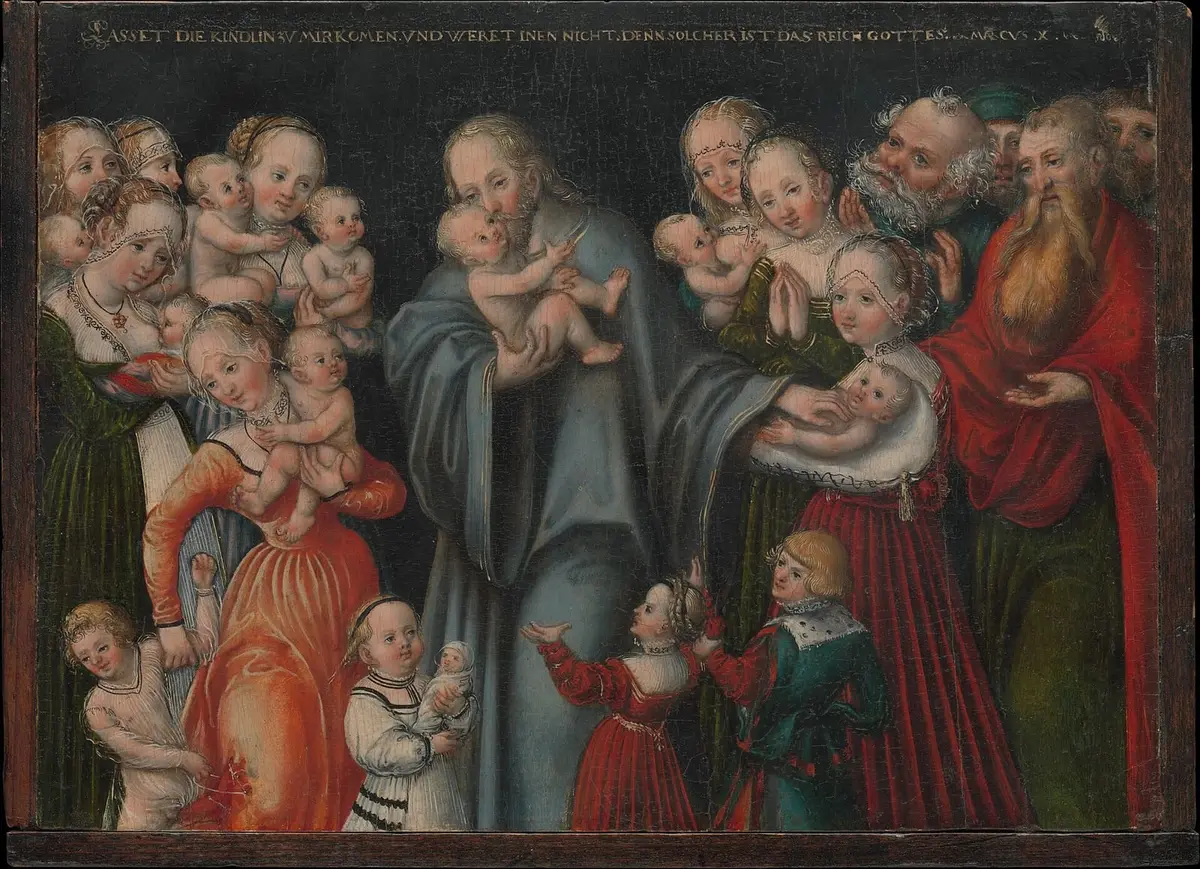
Jesus, friend of children, You welcomed the little ones and blessed them. Watch over every child who struggles to learn, every family that sacrifices for a better future, and every teacher who gives long days in love. Help them grow in wisdom, faith and hope, and make them men and women for others. Amen.
Continue Reading
Read about Jesuit education, Café Reconcile in New Orleans, or famous Jesuit alumni.
Frequently asked questions
What is a Nativity school?
A small, independent Catholic middle school, usually grades 5 or 6 through 8, serving children from low-income families with an extended day, a summer program and long-term support after graduation.
Are Nativity schools free?
Most charge little or nothing. They are funded by donations, foundations and volunteers rather than tuition.
How is a Nativity school different from a Cristo Rey school?
Nativity schools are middle schools. Cristo Rey schools, begun in Chicago in 1996, are high schools in which students work one day a week in a professional job that helps pay their tuition.
Sources
- Rita George Tvrtkovic, "Nativity Schools Coast to Coast," Company magazine (Summer 2001)
- L. Mickey Fenzel, Improbable Scholars (Oxford University Press, 2009)
- Congregation for Catholic Education, The Catholic School (1977), no. 58