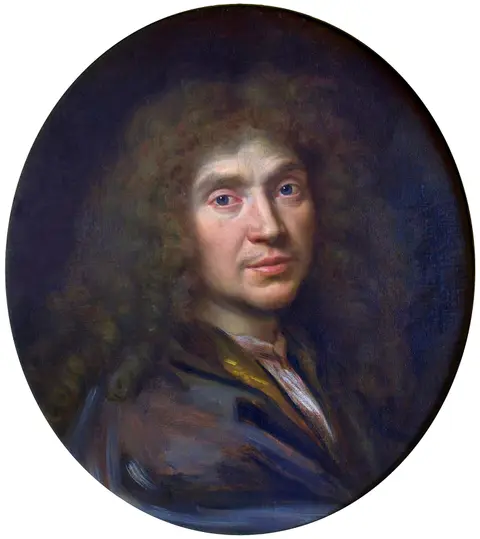
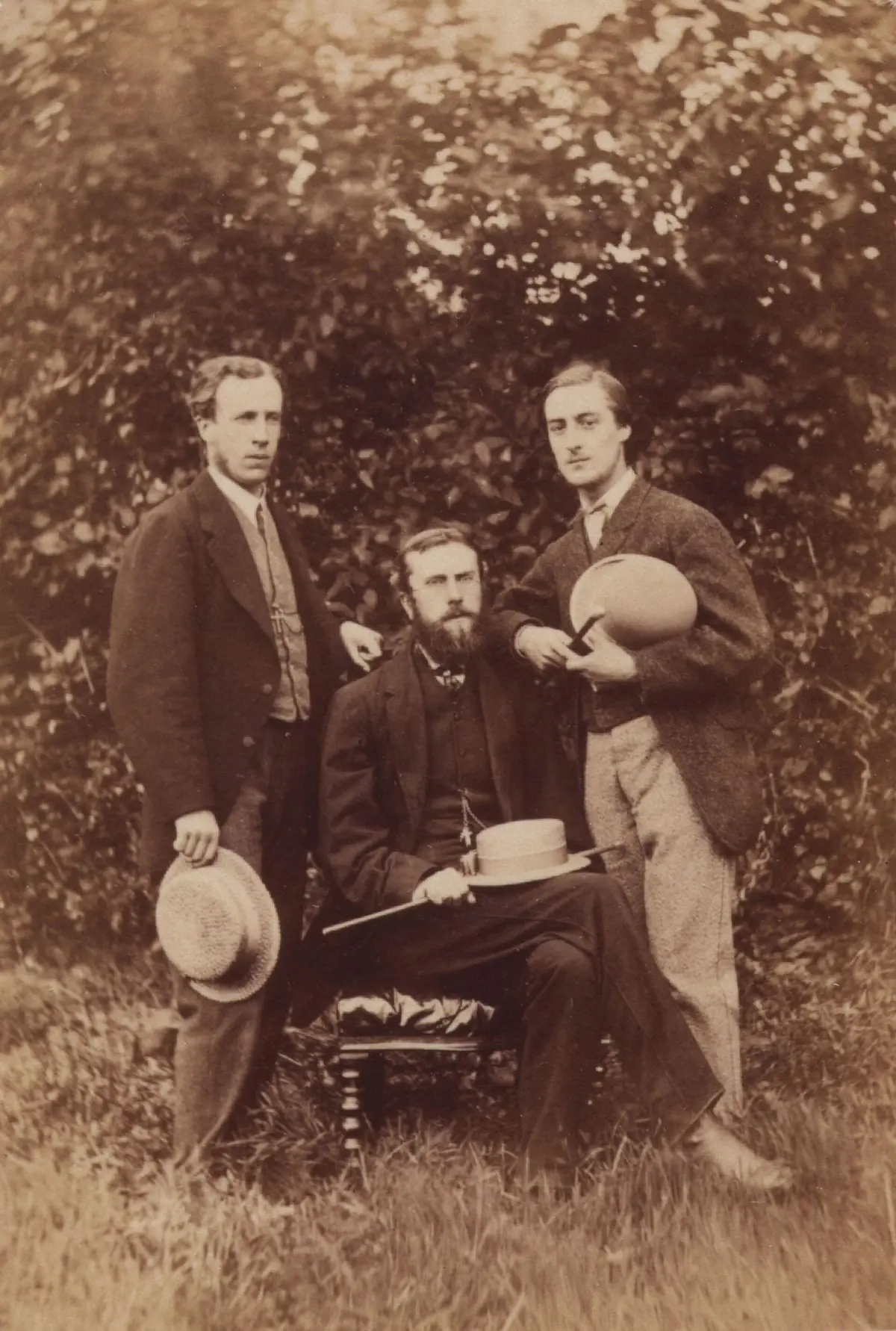
Gerard Manley Hopkins: The Jesuit Poet of God's Grandeur
Quick answer
Gerard Manley Hopkins (1844–1889) was an English poet who became a Catholic at Oxford under the influence of John Henry Newman and joined the Jesuits in 1868. He burned his early poems, then returned to poetry with "The Wreck of the Deutschland" (1875) and wrote masterpieces such as "God's Grandeur," "The Windhover" and "Pied Beauty," celebrating God's presence in the beauty and individuality of creation. Almost unpublished in his life, he died in Dublin in 1889; his poems appeared in 1918 and made him one of the great poets in English.
Key takeaways
- Hopkins was received into the Catholic Church by John Henry Newman in 1866.
- He became a Jesuit in 1868 and was ordained a priest in 1877.
- His poems celebrate God's glory in nature, using "sprung rhythm" and the idea of "inscape."
- Almost none were published in his lifetime; his friend Robert Bridges published them in 1918.
- A comic poem, "Consule Jones," written for his Jesuit community, was rediscovered in the 1990s.
In the summer of 1998, a Jesuit scholar searching the archives of the English Jesuits in London found an unknown poem by Gerard Manley Hopkins: a comic piece of 48 lines called “Consule Jones,” written in 1875 to amuse his fellow students. It was a delightful discovery about a poet usually remembered for his intensity, a man who saw the whole world “charged with the grandeur of God.”
From Oxford to Rome
Hopkins was born in 1844 near London into a prosperous, devout Anglican family. At Oxford he excelled in classics and was drawn into the Oxford Movement. Moved especially by the Real Presence of Christ in the Eucharist, he became a Catholic and was received into the Church by John Henry Newman in 1866. His family was deeply hurt.
In 1868 he entered the Society of Jesus. Believing poetry might distract him from his vocation, he burned his early poems.
The Wreck of the Deutschland
In 1875, while studying theology at St. Beuno’s College in north Wales, Hopkins read of the shipwreck of the Deutschland, in which five Franciscan nuns exiled from Germany drowned. His superior remarked that someone should write a poem about it. Hopkins took the hint. “The Wreck of the Deutschland” is a long, difficult, astonishing ode about God’s mastery over suffering and death.
A few months earlier he had written “Consule Jones,” a comic song to a Welsh tune describing his fellow theologians at leisure: studying, practicing sermons, hunting rabbits, keeping bees and complaining about the new heating system. It shows the playful side of a man who loved his community.
Poems of Praise
The following years produced his greatest work. In “God’s Grandeur” (1877) he wrote that “the world is charged with the grandeur of God. / It will flame out, like shining from shook foil.” In “Pied Beauty” he gave thanks for “dappled things,” for all that is “counter, original, spare, strange.” In “The Windhover,” dedicated “To Christ our Lord,” a falcon riding the wind becomes an image of Christ’s beauty and sacrifice.
Two ideas shaped his poetry:
- Inscape: the unique inner form of each thing, which reveals the Creator.
- Sprung rhythm: a meter based on stresses, close to the rhythm of speech and music.
His spirituality was deeply Ignatian: seeing all creation as coming from God and leading back to Him, as St. Ignatius taught in the Principle and Foundation.
Priest in the Cities
Ordained in 1877, Hopkins served as a preacher and parish priest in London, Oxford, Liverpool and Glasgow, often among the poor, and taught classics. The work exhausted him. In 1884 he was appointed professor of Greek at University College, Dublin, the university Newman had founded. Overwhelmed by exams to grade, poor health and loneliness, he wrote the anguished “terrible sonnets,” such as “Carrion Comfort” and “No worst, there is none,” among the most honest poems ever written about spiritual darkness.
He died of typhoid in Dublin on June 8, 1889, aged 44. His last words are reported to have been “I am so happy, I am so happy.” He is buried in the Jesuit plot at Glasnevin Cemetery.
Fame After Death
Hopkins published almost nothing in his lifetime. His friend the poet Robert Bridges kept his manuscripts and published them in 1918. Readers were stunned. Today Hopkins is counted among the greatest poets in English, and his poems are read in schools and quoted in homilies around the world.
God’s Grandeur (Gerard Manley Hopkins, 1877)
The world is charged with the grandeur of God. It will flame out, like shining from shook foil; It gathers to a greatness, like the ooze of oil Crushed. Why do men then now not reck his rod? Generations have trod, have trod, have trod; And all is seared with trade; bleared, smeared with toil; And wears man’s smudge and shares man’s smell: the soil Is bare now, nor can foot feel, being shod. And for all this, nature is never spent; There lives the dearest freshness deep down things; And though the last lights off the black West went Oh, morning, at the brown brink eastward, springs, Because the Holy Ghost over the bent World broods with warm breast and with ah! bright wings.
Continue Reading
Read our Jesuit reading list, learn about Ignatian spirituality, or browse classic Catholic books.
Frequently asked questions
What are Gerard Manley Hopkins's most famous poems?
"God's Grandeur," "The Windhover," "Pied Beauty," "Spring and Fall," "As Kingfishers Catch Fire," "The Wreck of the Deutschland" and the late "terrible sonnets" such as "Carrion Comfort."
What is sprung rhythm?
A meter Hopkins developed in which each foot has one stressed syllable and any number of unstressed ones, imitating the rhythm of natural speech and music.
What did Hopkins mean by inscape?
The unique inner pattern or "thisness" of each created thing, which reveals God's design. "Instress" was his word for the energy by which we perceive it.
Sources
- Joseph J. Feeney, SJ, "Consule Jones, A New-found Poem of G. M. Hopkins," Company magazine (Spring 1999)
- Poems of Gerard Manley Hopkins, ed. Robert Bridges (1918)
- Paul Mariani, Gerard Manley Hopkins, A Life (Viking, 2008)