Chastity: What the Catholic Church Teaches and How to Live It
Quick answer
Chastity is the virtue that brings our sexuality into harmony with our whole self and our love of God. The Catechism teaches that every baptized person is called to it according to his or her state in life, married, single or consecrated. It is not a rejection of the body, and married intimacy is called noble and honorable.
Key takeaways
- Chastity means the successful integration of sexuality within the person (CCC 2337).
- All the baptized are called to chastity, in ways that differ by state of life (CCC 2348-2349).
- Married love is good, and the Catechism calls its intimate acts noble and honorable (CCC 2362).
- Prayer, the sacraments and patience with oneself are the means of growing in it.
Chastity is sometimes seen as a list of prohibitions. The Church describes it very differently: as freedom, and as the ability to love well.
What Is Chastity?
The Catechism defines chastity as “the successful integration of sexuality within the person” and so the inner unity of the person in body and spirit (CCC 2337). A chaste person is able to give himself or herself freely, without being ruled by impulse.
Our bodies are good. St. Paul calls them temples of the Holy Spirit (1 Corinthians 6:19). Chastity honors this truth.
A Calling for Everyone
Every baptized person is called to chastity (CCC 2348). It takes different forms:
- Married couples live it by being faithful to each other.
- Those who are engaged live it by practicing continence until marriage (CCC 2350).
- Single people live it by self-mastery and in the warmth of friendship.
- Priests and consecrated persons offer an undivided heart to God.
Marriage Is Good
Some writers have spoken as if physical love, even in marriage, were something shameful. That is not the teaching of the Church. The Catechism says that the acts by which spouses unite “are noble and honorable” and enrich the couple in joy and gratitude (CCC 2362).
How to Grow in Chastity
The Catechism speaks of chastity as “an apprenticeship in self-mastery” (CCC 2339). Growth happens gradually (CCC 2343). These are the ordinary helps:
- Daily prayer. Ask for the grace of a pure heart (Matthew 5:8).
- The sacraments. Frequent confession and the Eucharist strengthen us.
- Guarding the eyes and mind. Be careful about what you watch and read (CCC 2520).
- Good friendships. The Catechism calls friendship a great good (CCC 2347).
- Patience. Discouragement can do more harm than a fall.
Saints of Purity
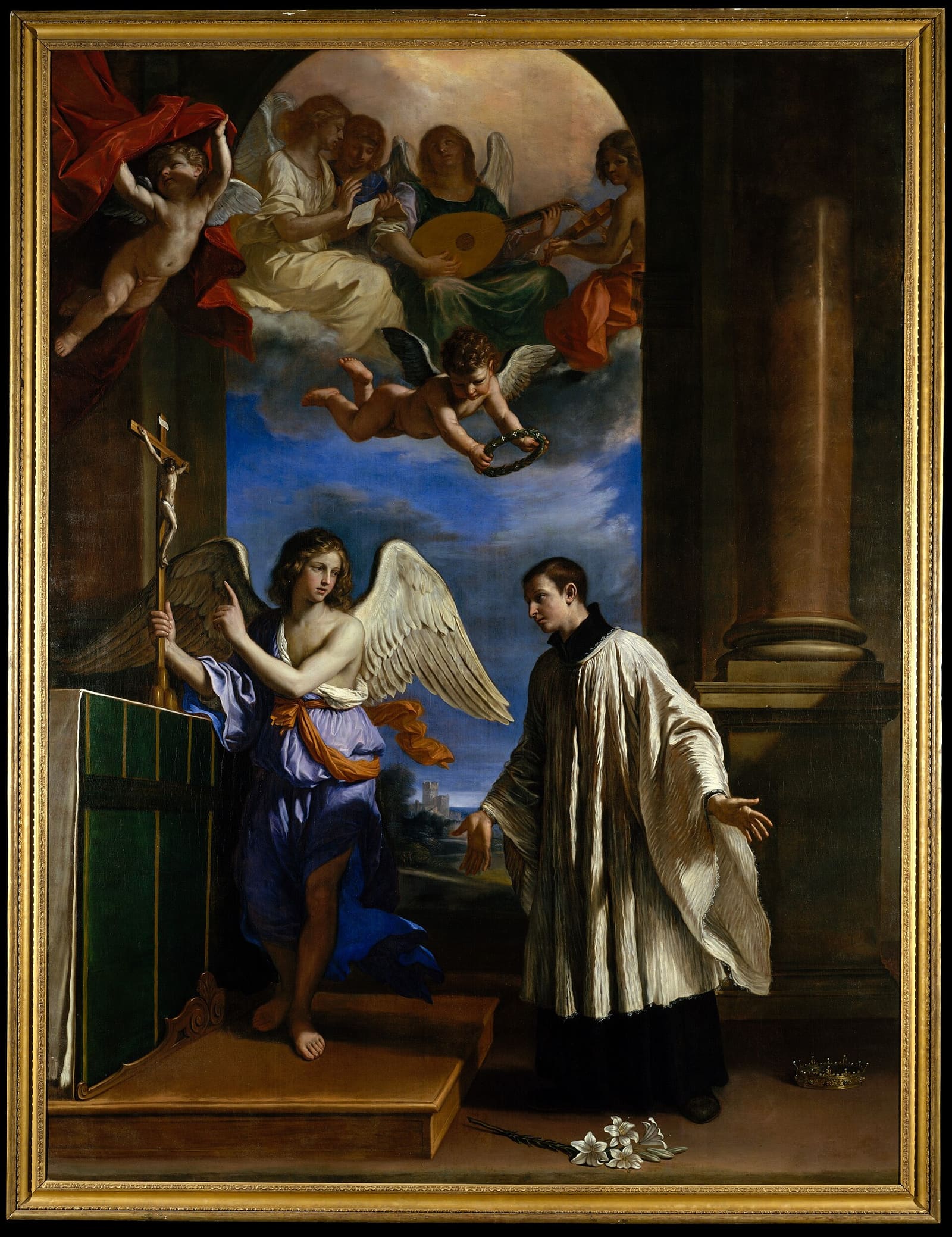
St. Aloysius Gonzaga and St. Maria Goretti are often invoked for this virtue. Maria, who was just eleven, forgave the man who attacked her, and he later repented.
A Prayer for a Pure Heart (Original Prayer)
Lord Jesus, You blessed the pure of heart. Heal my memories and guard my thoughts. When I am weak, be my strength. When I fall, raise me up. Teach me to love as You love. Amen.
Continue Reading
For help with temptation, see the prayer to overcome lust and the prayer to avoid fornication. Our guide on how to go to confession can help you start again.
Frequently asked questions
Is chastity the same as celibacy?
No. Celibacy means not marrying, for the sake of the Kingdom. Chastity is a virtue for everyone, and married people live it by being faithful and loving to each other.
Is sexual pleasure sinful in marriage?
No. The Catechism teaches that married intimacy is noble and honorable, and that it is a source of joy and gratitude for the spouses (CCC 2362).
What should I do if I keep falling?
Do not despair. Go to confession, pray, avoid occasions of sin and consider getting support from a priest or counselor. Chastity is learned over a lifetime (CCC 2343).
Sources
- Catechism of the Catholic Church 2337-2350, 2360-2362, 2520
- 1 Corinthians 6:19-20; Matthew 5:8