Mr. Blue by Myles Connolly: The Little Catholic Novel That Inspired Generations
Quick answer
Mr. Blue (1928) is a short novel by Myles Connolly, a 1918 graduate of Boston College who later wrote Hollywood screenplays. It tells of J. Blue, a cheerful young man who decides to live the Gospel literally, embracing poverty, giving away a fortune, living in a packing crate on a skyscraper roof, speaking of Christ to everyone and praying before a great crucifix. Told by a skeptical businessman friend, it became a beloved Catholic classic, recommended by Jesuit teachers to students for decades and in print for most of the 20th century.
Key takeaways
- Mr. Blue was published in 1928 by Boston College alumnus Myles Connolly.
- Its hero chooses joyful poverty and total trust in God.
- The story is told by a practical businessman who is both drawn to and troubled by Blue.
- Jesuit teachers recommended it to generations of Catholic students.
- It echoes St. Francis of Assisi and the joyful paradoxes of G. K. Chesterton.
In the late 1950s, a group of eager students at Regis High School in New York read a little book on the recommendation of a young Jesuit teacher. One of them, writing years later in Company magazine, remembered how they were captivated by its idealistic hero. The book was Mr. Blue, and for decades it was handed from Jesuit teachers to Catholic teenagers across America.
The Author
Myles Connolly (1897–1964) graduated from Boston College in 1918. He edited a Catholic newspaper and then went to Hollywood, where he wrote or worked on about forty films for stars such as Spencer Tracy, Jimmy Durante and June Allyson, earning an Academy Award nomination for Music for Millions (1944). He wrote several more novels, but none matched his first, a slim book of about 150 pages published in 1928.
The Story
Mr. Blue is narrated by a sensible businessman, feet on the ground, who meets an extraordinary young man named J. Blue. Blue has decided to take Christianity seriously, not as a chore but as a glorious adventure.
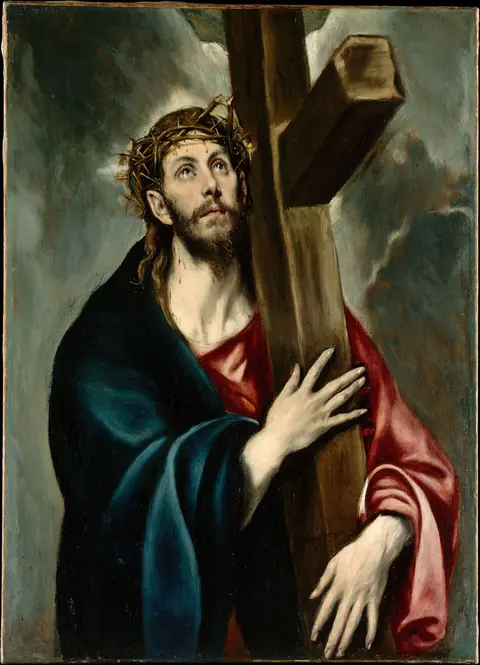
He chooses poverty. For a time he lives in a brightly painted packing crate on the roof of a skyscraper, where he flies kites and releases balloons over the city. When he unexpectedly inherits a fortune, he gives it away. He shovels snow and chops wood for his meals. He speaks of Christ to anyone who will listen. And alone in his attic he prays passionately before a massive crucifix.
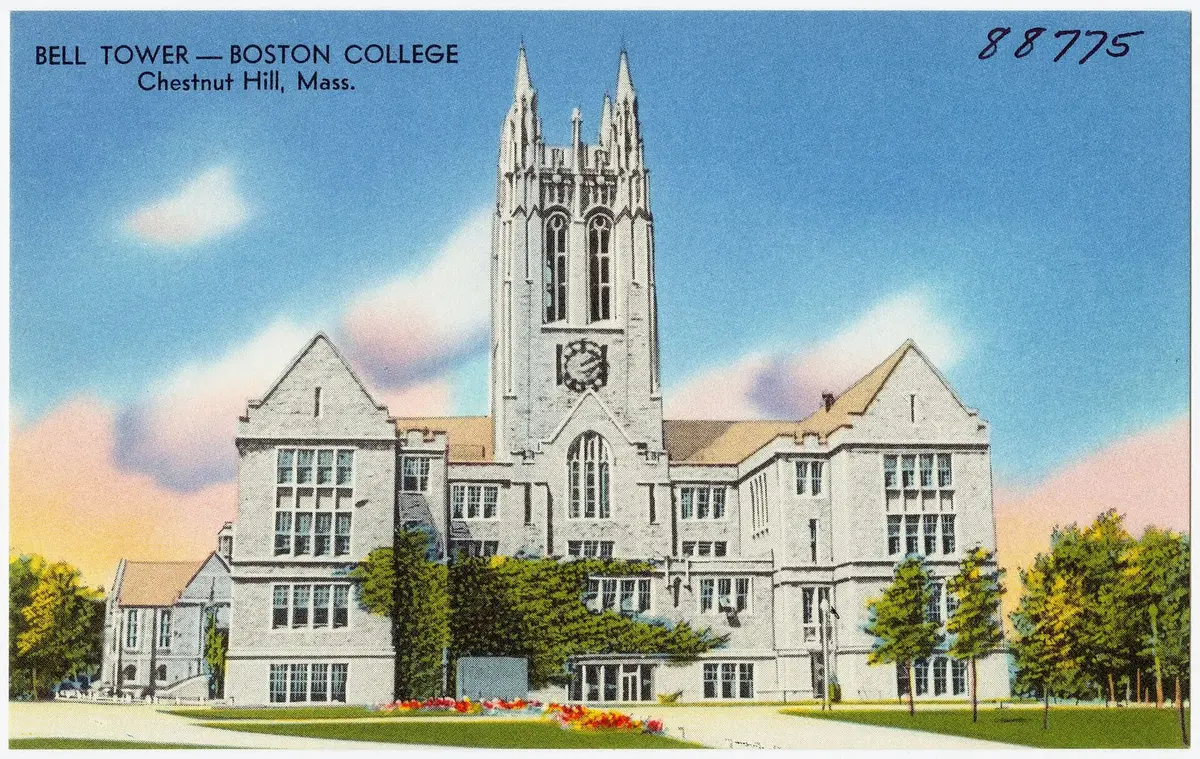
Blue fascinates and troubles the narrator, who cannot decide whether his friend is a fool or a saint. In one scene, walking near Boston College at sunset, Blue looks up at its Gothic tower and says that it gives him courage, because of what it represents, something that will endure even if every stone were thrown down. The story ends in a charity ward of a city hospital, where Blue dies as he lived, joyful and free.
Why Students Loved It
Company’s writer explained the appeal: the book is short, and it features what adolescents love, a young hero who thumbs his nose at the establishment and gets away with it. Blue reminded readers of Holden Caulfield and a little of Dorothy Day. To their teachers, he embodied the joyful paradoxes of G. K. Chesterton’s Orthodoxy: that the Christian who gives up everything is the one who truly possesses the world.
Themes
- Joyful poverty. Like St. Francis of Assisi, Blue finds freedom in having nothing. “Blessed are the poor in spirit, for theirs is the kingdom of heaven” (Matthew 5:3).
- The lay vocation. Blue is not a priest or a monk. He shows that an ordinary layman can be wholly devoted to Christ, a theme the Second Vatican Council later stressed in its teaching on the universal call to holiness (CCC 2013).
- Prayer and the Cross. Blue’s joy flows from long hours before the crucifix.
- Romance of faith. Blue treats faith as the great adventure of life, not a set of rules.
Is It Still Worth Reading?
Some readers find Blue too eccentric to imitate, and the book’s style is of its time. But its central question is timeless: what would happen if we really believed the Gospel? Read it in an afternoon and see. It is on our Jesuit reading list and pairs well with our list of classic Catholic books.
Prayer for Generosity (attributed to St. Ignatius of Loyola)
Lord, teach me to be generous. Teach me to serve you as you deserve; to give and not to count the cost, to fight and not to heed the wounds, to toil and not to seek for rest, to labor and not to ask for reward, save that of knowing that I do your will. Amen.
Continue Reading
Read whether The Lord of the Rings is Catholic, our list of classic Catholic books, or famous Jesuit alumni.
Frequently asked questions
What is Mr. Blue about?
A young man named Blue who decides to take Christianity seriously as a lay person. He lives in poverty, gives away an inherited fortune, flies kites from a rooftop home, speaks of Christ to everyone and finally dies in a city hospital ward, still joyful.
Who was Myles Connolly?
A Boston writer (1897–1964) who graduated from Boston College in 1918, edited a Catholic newspaper and later wrote screenplays in Hollywood for stars such as Spencer Tracy and June Allyson, earning an Oscar nomination for Music for Millions.
Is Mr. Blue still in print?
Yes. It has been reissued by Catholic publishers and remains popular with Catholic book clubs and schools.
Sources
- "The Improbable Career of Mr. Blue," Company magazine (Summer 2002)
- Myles Connolly, Mr. Blue (1928)
- G. K. Chesterton, Orthodoxy (1908)